耐用性:构成塑料原料的长链聚合物使其极难断裂。
安全性:塑料包装不易碎裂,掉落时不会碎成危险的尖锐碎片。
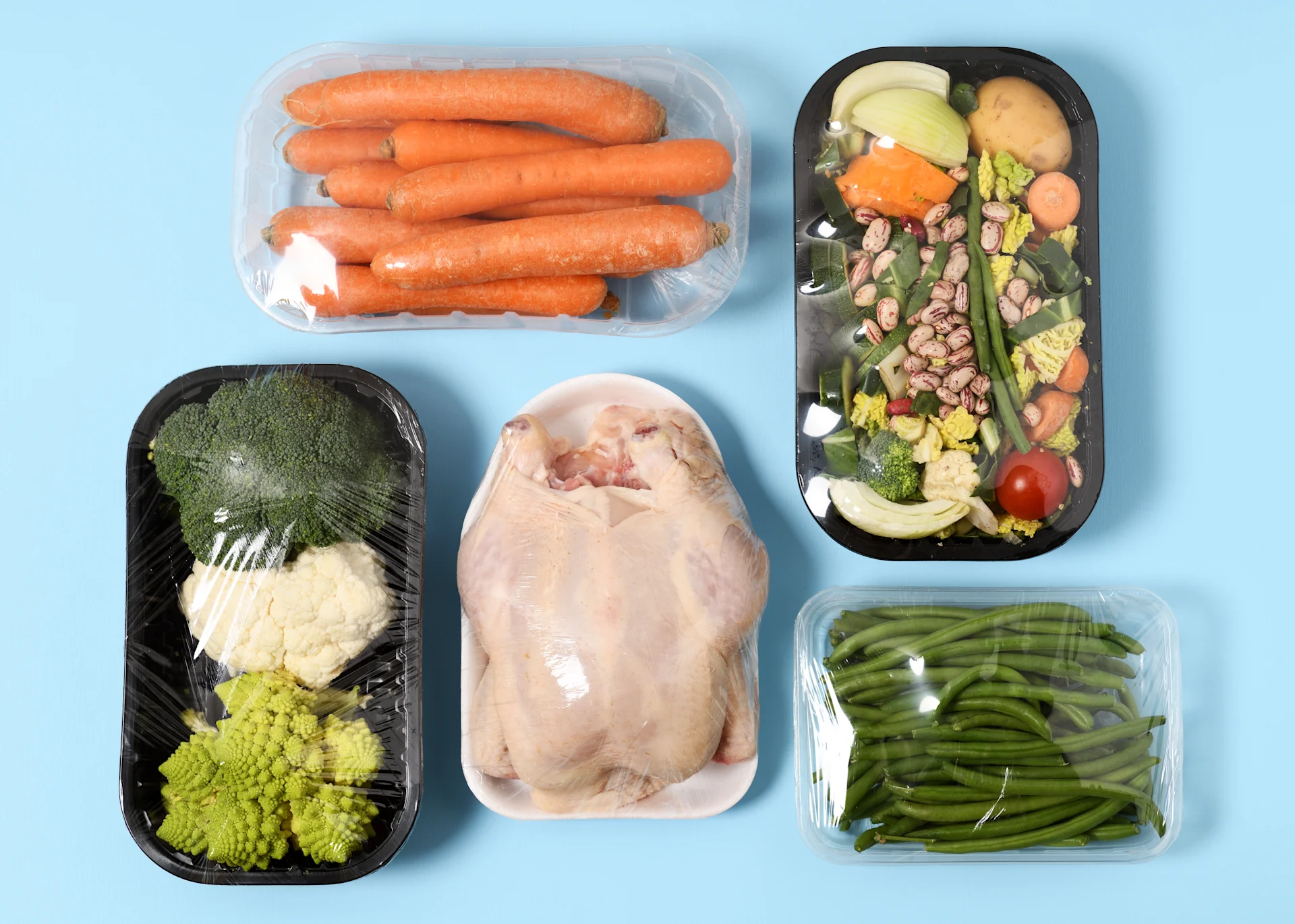
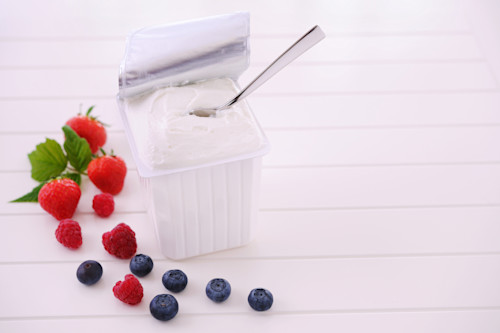
卫生:塑料包装非常适合食品、药品的包装,可实现自动化灌装和密封。所使用的材料,包括塑料原料和添加剂,均符合国家和欧盟的食品安全法规。塑料制品广泛用于与人体组织密切接触的医疗器械中,在生命攸关的应用中符合最高安全标准。
防启封:塑料包装可以配备防启封及防儿童开启功能的封口设计。包装的透明性使消费者在购买前能够查看商品的状况。
轻量化:塑料包装重量低但强度高,便于消费者和供应链中的工作人员搬运和处理。
设计自由度:材料性能结合行业中广泛采用的成型技术(注塑、吹塑、真空成型等),可以生产出无数种包装形状和结构。此外,丰富的着色选择以及便于印刷和装饰性能,有利于品牌识别和与信息传递。
Labels
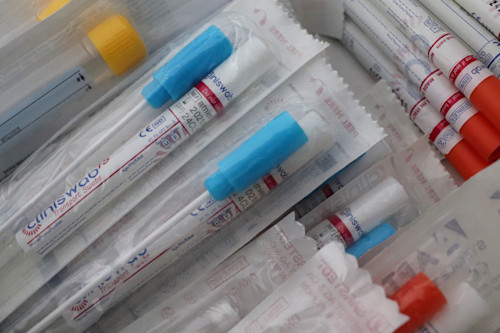
A good surface finish with good clarity is needed to enable a clear view of the label details in some cases. With extrusion profiles there are a range of possibilities in our portfolio. Other applications require uv protection and chemical resistance as well as being laser markable. We have a range of polymers to suit your needs.
Applications
- Price profiles
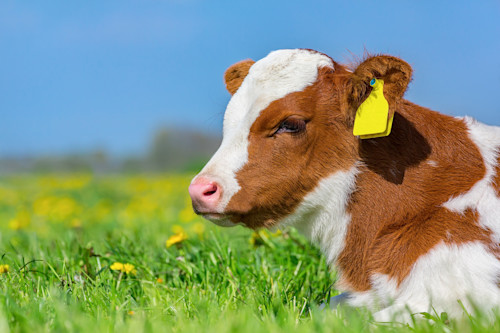
- Animal ear tags
Labels
A good surface finish with good clarity is needed to enable a clear view of the label details in some cases. With extrusion profiles there are a range of possibilities in our portfolio. Other applications require uv protection and chemical resistance as well as being laser markable. We have a range of polymers to suit your needs.
Applications
- Price profiles
- Animal ear tags
Food Packaging
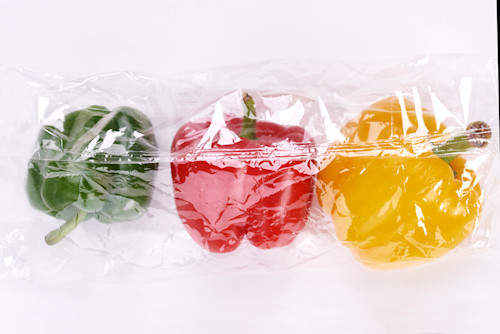
Foodstuffs need to have packaging designed to offer a good barrier to oxygen in order to prolong the shelf life. Acumen has a range of materials offering flexibility, rigidity and good peel and seal properties that would benefit varying applications in the food packaging market. Transparency, taste and odour neural options are also key.
For frozen food films, tougher formulations are required. The frozen food packaging film industry is faced with keeping abreast of new consumer trends. Packaging materials must balance toughness, stiffness and mechanical resistance in order to enable increased packaging line speeds. In addition, the materials must allow for easy-opening without comprising good sealing qualities.
Further required properties include:
tougher film formulations for bigger packages;
barrier properties (water vapour/light barrier);
film down-gauging that retains an optimal balance between cost and resource reduction versus acceptable performance;
superior optical film properties and printability to support an increased focus on marketing and branding;
balanced surface friction for smooth processing on high speed Form Fill and Seal (FFS) equipment.
In processing films used for frozen food packaging, the films are normally extruded as a blend of Polyethylenes (PE) in either mono or co-extrusion. This allows film converters to tailor them precisely to the customer’s needs, whether these are performance-related (e.g. mechanical strength, cost, thickness or stiffness) or marketing-related (e.g. surface gloss, printing or stiffness).
Applications
- Food trays
- Films
- Pouches and casings
Food Packaging
Foodstuffs need to have packaging designed to offer a good barrier to oxygen in order to prolong the shelf life. Acumen has a range of materials offering flexibility, rigidity and good peel and seal properties that would benefit varying applications in the food packaging market. Transparency, taste and odour neural options are also key.
For frozen food films, tougher formulations are required. The frozen food packaging film industry is faced with keeping abreast of new consumer trends. Packaging materials must balance toughness, stiffness and mechanical resistance in order to enable increased packaging line speeds. In addition, the materials must allow for easy-opening without comprising good sealing qualities.
Further required properties include:
tougher film formulations for bigger packages;
barrier properties (water vapour/light barrier);
film down-gauging that retains an optimal balance between cost and resource reduction versus acceptable performance;
superior optical film properties and printability to support an increased focus on marketing and branding;
balanced surface friction for smooth processing on high speed Form Fill and Seal (FFS) equipment.
In processing films used for frozen food packaging, the films are normally extruded as a blend of Polyethylenes (PE) in either mono or co-extrusion. This allows film converters to tailor them precisely to the customer’s needs, whether these are performance-related (e.g. mechanical strength, cost, thickness or stiffness) or marketing-related (e.g. surface gloss, printing or stiffness).
Applications
- Food trays
- Films
- Pouches and casings
Biaxially oriented film
Orienting polymers enhances mechanical, impact, barrier, and optical properties. Biaxial orientation improves these in two directions, preventing weakness across the film. This process enables the production of thinner, stronger films with excellent clarity, barrier performance, and—if desired—the ability to shrink when reheated. These properties are critical in applications such as meat packaging (shrink + barrier) and box overwraps for confectionery and CDs (clarity + strength without shrinkage).
Flat Biaxial Orientation Process Most BOPP and BOPET packaging films are made using flat biaxial orientation on large tenter frame lines—machines that stretch film first in the machine direction (MD), then in the cross direction (CD).
The process:
A plasticating extruder produces a thick polymer sheet, cooled and stabilized by chill rolls.
MD stretching occurs by passing the sheet over rollers with gradually increasing speeds, thinning it evenly.
CD stretching is done in a hot-air oven as clips pull the sheet edges apart, widening the film.
Final oven stages anneal, cool, and stabilize the film before winding.
This process delivers wide, consistent films at lower cost, meeting the growing demand for global flexible packaging.
Applications
- BOPP and BOPET - flexible packaging films - laminations (where they can be used in as-oriented form)
- BOPP and BOPET - flexible packaging films - vacuum-metallized (offering extra barrier protection)
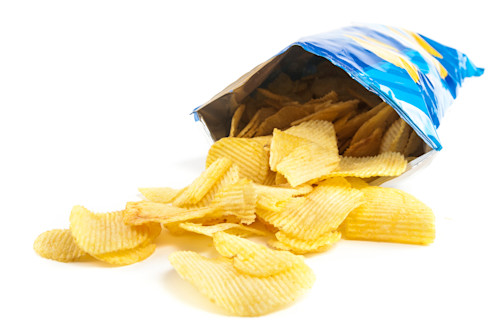
- BOPP is widely used in salty, dry snack packaging
Biaxially oriented film
Orienting polymers enhances mechanical, impact, barrier, and optical properties. Biaxial orientation improves these in two directions, preventing weakness across the film. This process enables the production of thinner, stronger films with excellent clarity, barrier performance, and—if desired—the ability to shrink when reheated. These properties are critical in applications such as meat packaging (shrink + barrier) and box overwraps for confectionery and CDs (clarity + strength without shrinkage).
Flat Biaxial Orientation Process Most BOPP and BOPET packaging films are made using flat biaxial orientation on large tenter frame lines—machines that stretch film first in the machine direction (MD), then in the cross direction (CD).
The process:
A plasticating extruder produces a thick polymer sheet, cooled and stabilized by chill rolls.
MD stretching occurs by passing the sheet over rollers with gradually increasing speeds, thinning it evenly.
CD stretching is done in a hot-air oven as clips pull the sheet edges apart, widening the film.
Final oven stages anneal, cool, and stabilize the film before winding.
This process delivers wide, consistent films at lower cost, meeting the growing demand for global flexible packaging.
Applications
- BOPP and BOPET - flexible packaging films - laminations (where they can be used in as-oriented form)
- BOPP and BOPET - flexible packaging films - vacuum-metallized (offering extra barrier protection)
- BOPP is widely used in salty, dry snack packaging


Heavy duty packaging
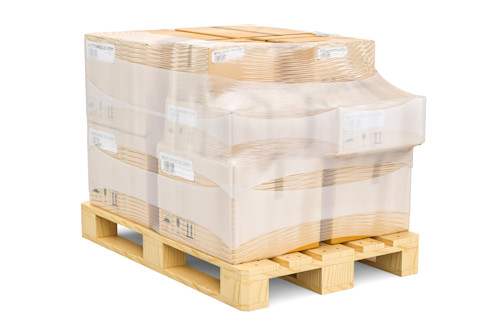
As part of a multi layer structure or a single polymer, the applications in this segment need to be durable and puncture resistant to ensure no material loss. Anti static and with good tear strength, we have a broad portfolio of materials.
Applications
- PE liner
- Stretch hood layer
- Shipping sacks
- Protective packaging
Heavy duty packaging
As part of a multi layer structure or a single polymer, the applications in this segment need to be durable and puncture resistant to ensure no material loss. Anti static and with good tear strength, we have a broad portfolio of materials.
Applications
- PE liner
- Stretch hood layer
- Shipping sacks
- Protective packaging
General
Plastics packaging prevents food waste. The durability and sealability of plastics packaging protects goods from deterioration and increases shelf life. With modified atmosphere packaging made from plastics, shelf life can be increased from 5 to 10 days, allowing food loss in stores to be reduced from 16% to 4%.
Traditionally grapes were sold in loose bunches. Grapes are now sold in sealed trays so that the loose ones stay with the bunch. This has reduced waste in stores typically by over 20%
Applications
- Metal free twists and ties
- Coatings
General
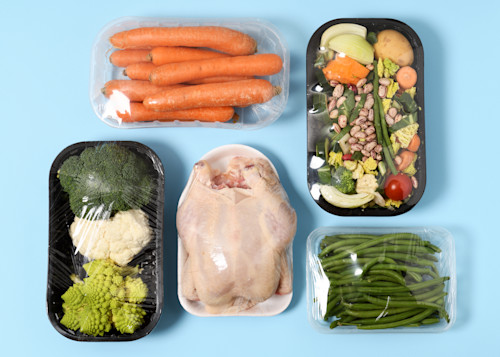
Plastics packaging prevents food waste. The durability and sealability of plastics packaging protects goods from deterioration and increases shelf life. With modified atmosphere packaging made from plastics, shelf life can be increased from 5 to 10 days, allowing food loss in stores to be reduced from 16% to 4%.
Traditionally grapes were sold in loose bunches. Grapes are now sold in sealed trays so that the loose ones stay with the bunch. This has reduced waste in stores typically by over 20%
Applications
- Metal free twists and ties
- Coatings