
Durability: The long polymer chains which constitute the plastics raw material make it extraordinarily difficult to break.
Safety: Plastics packaging is shatterproof and does not fragment into dangerous shards when dropped.
Hygiene: Plastics packaging is ideal for the packaging of foodstuffs, medicines and pharmaceuticals. It can be filled and sealed without human intervention. The materials used, both plastics raw materials and additives, fulfil all food safety legislation at national and European Union levels. Plastics products are customarily used as medical devices in intimate contact with body tissue and conform to the highest standards of safety in their life-saving uses.
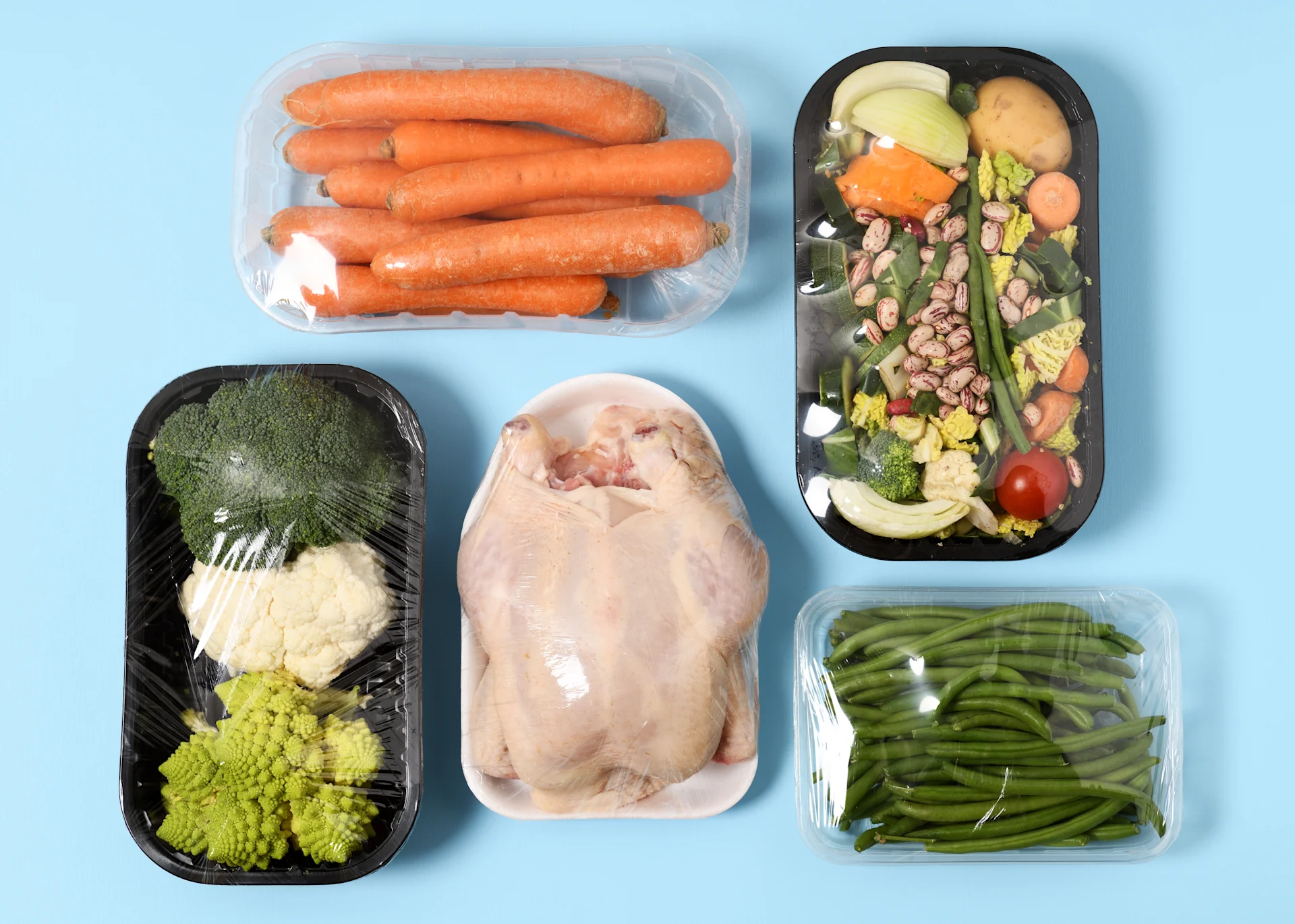
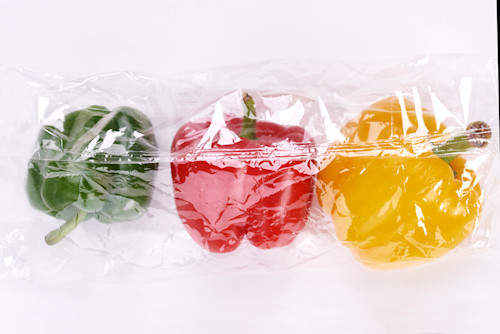
Security: Plastics packaging can be produced and used with tamper-evident and child resistant closures. The transparency of the pack enables users to examine the condition of the goods prior to purchase.
Light Weight: Plastics packaging items are low in weight but high in strength. Hence products packed in plastics are easy to lift and handle by consumers and by personnel in the distribution chain.
Design Freedom: The properties of the materials combined with the array of processing technologies employed in the industry, ranging from injection and blow moulding to thermoforming, enable the production of an infinite number of pack shapes and configurations. Additionally the extensive range of colouring possibilities and the ease of printing and decoration facilitate brand identification and information for the consumer.
Biaxially oriented film
Orienting polymers enhances mechanical, impact, barrier, and optical properties. Biaxial orientation improves these in two directions, preventing weakness across the film. This process enables the production of thinner, stronger films with excellent clarity, barrier performance, and—if desired—the ability to shrink when reheated. These properties are critical in applications such as meat packaging (shrink + barrier) and box overwraps for confectionery and CDs (clarity + strength without shrinkage).
Flat Biaxial Orientation Process Most BOPP and BOPET packaging films are made using flat biaxial orientation on large tenter frame lines—machines that stretch film first in the machine direction (MD), then in the cross direction (CD).
The process:
A plasticating extruder produces a thick polymer sheet, cooled and stabilized by chill rolls.
MD stretching occurs by passing the sheet over rollers with gradually increasing speeds, thinning it evenly.
CD stretching is done in a hot-air oven as clips pull the sheet edges apart, widening the film.
Final oven stages anneal, cool, and stabilize the film before winding.
This process delivers wide, consistent films at lower cost, meeting the growing demand for global flexible packaging.
Applications
- BOPP and BOPET - flexible packaging films - laminations (where they can be used in as-oriented form)
- BOPP and BOPET - flexible packaging films - vacuum-metallized (offering extra barrier protection)
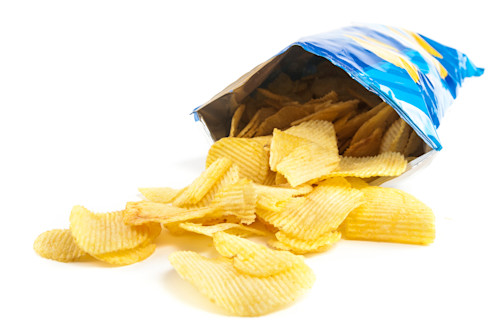
- BOPP is widely used in salty, dry snack packaging
Biaxially oriented film
Orienting polymers enhances mechanical, impact, barrier, and optical properties. Biaxial orientation improves these in two directions, preventing weakness across the film. This process enables the production of thinner, stronger films with excellent clarity, barrier performance, and—if desired—the ability to shrink when reheated. These properties are critical in applications such as meat packaging (shrink + barrier) and box overwraps for confectionery and CDs (clarity + strength without shrinkage).
Flat Biaxial Orientation Process Most BOPP and BOPET packaging films are made using flat biaxial orientation on large tenter frame lines—machines that stretch film first in the machine direction (MD), then in the cross direction (CD).
The process:
A plasticating extruder produces a thick polymer sheet, cooled and stabilized by chill rolls.
MD stretching occurs by passing the sheet over rollers with gradually increasing speeds, thinning it evenly.
CD stretching is done in a hot-air oven as clips pull the sheet edges apart, widening the film.
Final oven stages anneal, cool, and stabilize the film before winding.
This process delivers wide, consistent films at lower cost, meeting the growing demand for global flexible packaging.
Applications
- BOPP and BOPET - flexible packaging films - laminations (where they can be used in as-oriented form)
- BOPP and BOPET - flexible packaging films - vacuum-metallized (offering extra barrier protection)
- BOPP is widely used in salty, dry snack packaging
Food Packaging
Foodstuffs need to have packaging designed to offer a good barrier to oxygen in order to prolong the shelf life. Acumen has a range of materials offering flexibility, rigidity and good peel and seal properties that would benefit varying applications in the food packaging market. Transparency, taste and odour neural options are also key.
For frozen food films, tougher formulations are required. The frozen food packaging film industry is faced with keeping abreast of new consumer trends. Packaging materials must balance toughness, stiffness and mechanical resistance in order to enable increased packaging line speeds. In addition, the materials must allow for easy-opening without comprising good sealing qualities.
Further required properties include:
tougher film formulations for bigger packages;
barrier properties (water vapour/light barrier);
film down-gauging that retains an optimal balance between cost and resource reduction versus acceptable performance;
superior optical film properties and printability to support an increased focus on marketing and branding;
balanced surface friction for smooth processing on high speed Form Fill and Seal (FFS) equipment.
In processing films used for frozen food packaging, the films are normally extruded as a blend of Polyethylenes (PE) in either mono or co-extrusion. This allows film converters to tailor them precisely to the customer’s needs, whether these are performance-related (e.g. mechanical strength, cost, thickness or stiffness) or marketing-related (e.g. surface gloss, printing or stiffness).
Applications
- Food trays
- Films
- Pouches and casings
Food Packaging
Foodstuffs need to have packaging designed to offer a good barrier to oxygen in order to prolong the shelf life. Acumen has a range of materials offering flexibility, rigidity and good peel and seal properties that would benefit varying applications in the food packaging market. Transparency, taste and odour neural options are also key.
For frozen food films, tougher formulations are required. The frozen food packaging film industry is faced with keeping abreast of new consumer trends. Packaging materials must balance toughness, stiffness and mechanical resistance in order to enable increased packaging line speeds. In addition, the materials must allow for easy-opening without comprising good sealing qualities.
Further required properties include:
tougher film formulations for bigger packages;
barrier properties (water vapour/light barrier);
film down-gauging that retains an optimal balance between cost and resource reduction versus acceptable performance;
superior optical film properties and printability to support an increased focus on marketing and branding;
balanced surface friction for smooth processing on high speed Form Fill and Seal (FFS) equipment.
In processing films used for frozen food packaging, the films are normally extruded as a blend of Polyethylenes (PE) in either mono or co-extrusion. This allows film converters to tailor them precisely to the customer’s needs, whether these are performance-related (e.g. mechanical strength, cost, thickness or stiffness) or marketing-related (e.g. surface gloss, printing or stiffness).
Applications
- Food trays
- Films
- Pouches and casings
General
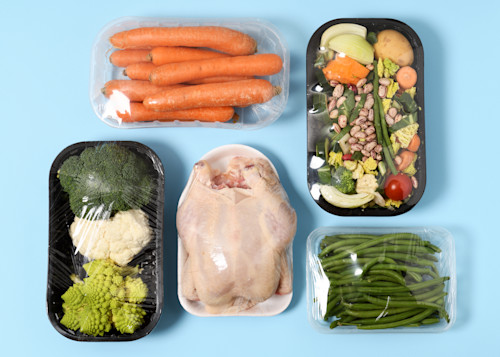
Plastics packaging prevents food waste. The durability and sealability of plastics packaging protects goods from deterioration and increases shelf life. With modified atmosphere packaging made from plastics, shelf life can be increased from 5 to 10 days, allowing food loss in stores to be reduced from 16% to 4%.
Traditionally grapes were sold in loose bunches. Grapes are now sold in sealed trays so that the loose ones stay with the bunch. This has reduced waste in stores typically by over 20%
Applications
- Metal free twists and ties
- Coatings
General
Plastics packaging prevents food waste. The durability and sealability of plastics packaging protects goods from deterioration and increases shelf life. With modified atmosphere packaging made from plastics, shelf life can be increased from 5 to 10 days, allowing food loss in stores to be reduced from 16% to 4%.
Traditionally grapes were sold in loose bunches. Grapes are now sold in sealed trays so that the loose ones stay with the bunch. This has reduced waste in stores typically by over 20%
Applications
- Metal free twists and ties
- Coatings
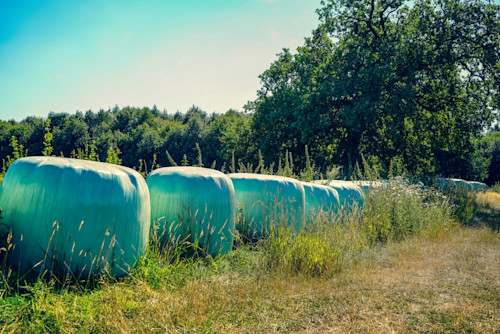
Heavy duty packaging
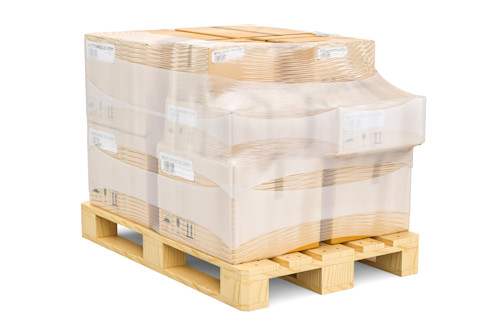
As part of a multi layer structure or a single polymer, the applications in this segment need to be durable and puncture resistant to ensure no material loss. Anti static and with good tear strength, we have a broad portfolio of materials.
Applications
- PE liner
- Stretch hood layer
- Shipping sacks
- Protective packaging
Heavy duty packaging
As part of a multi layer structure or a single polymer, the applications in this segment need to be durable and puncture resistant to ensure no material loss. Anti static and with good tear strength, we have a broad portfolio of materials.
Applications
- PE liner
- Stretch hood layer
- Shipping sacks
- Protective packaging
Labels
A good surface finish with good clarity is needed to enable a clear view of the label details in some cases. With extrusion profiles there are a range of possibilities in our portfolio. Other applications require uv protection and chemical resistance as well as being laser markable. We have a range of polymers to suit your needs.
Applications
- Price profiles
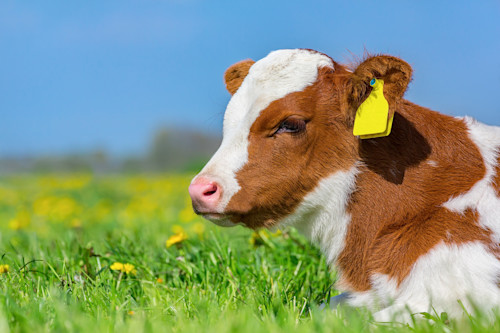
- Animal ear tags
Labels
A good surface finish with good clarity is needed to enable a clear view of the label details in some cases. With extrusion profiles there are a range of possibilities in our portfolio. Other applications require uv protection and chemical resistance as well as being laser markable. We have a range of polymers to suit your needs.
Applications
- Price profiles
- Animal ear tags





+65 6848 4650 | +86 21 3159 5891
info@acumenengineering.com
Copyright © 2025 Acumen. All rights reserved. Member of the Ravago Group